


News Center
Recommending Products
Contact: Mr. Jin
Tel: 13901575780
0512-52428686
Contact: Mr. Zha
Tel: 13913639797
0512-52422071
Address: No. 59, Huyi Road, Liantang, Shanghu Town, Changshu City, Jiangsu Province.
What are the application industries of toothed straight shank end mills
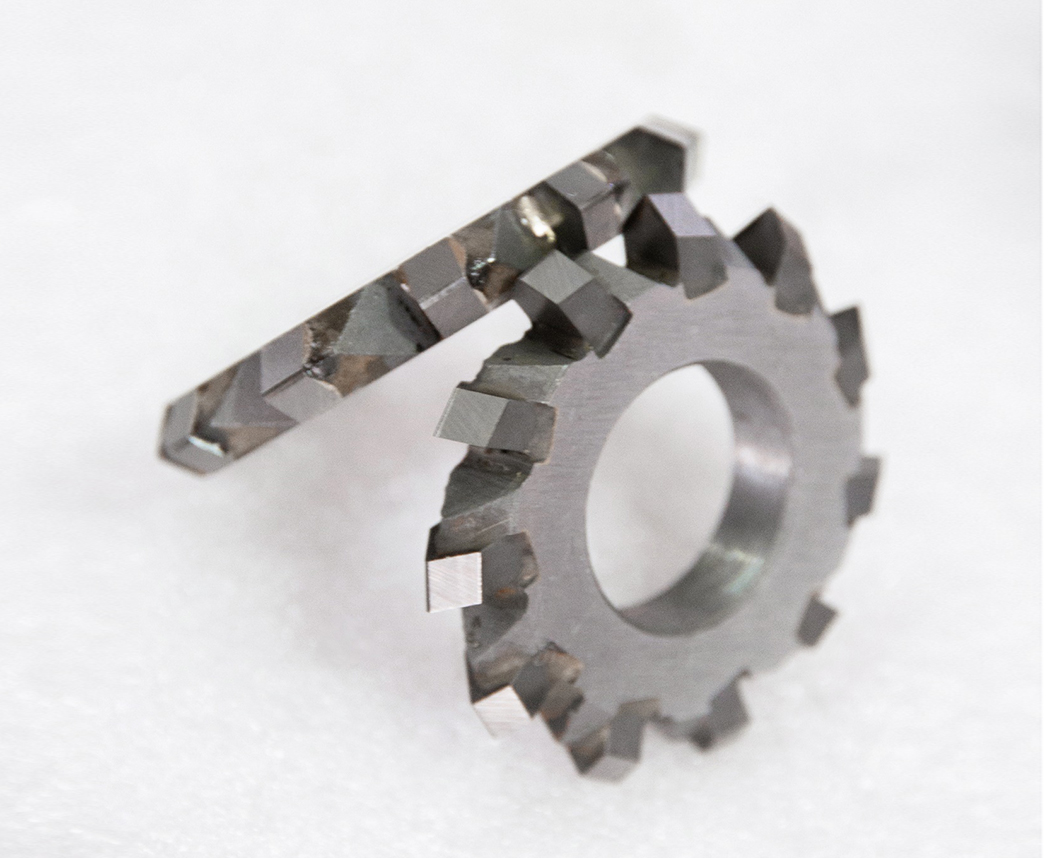
As one of the core cutting tools in the field of metal cutting, the toothed straight shank end mill adopts a hard alloy toothed structure design, which has outstanding advantages such as high cutting efficiency, strong tool rigidity, excellent wear resistance, and long service life. It can flexibly adapt to the cutting needs of different hardness and different types of metal materials, and can efficiently complete various machining processes such as plane milling, step milling, groove milling, contour milling, contour machining, and hole machining. It is widely used in many key industries such as mechanical manufacturing, automotive, aerospace, etc. It is an indispensable key tool in the machining process of various metal parts. The specific application industries and detailed scenarios are as follows:Sources:www.dmees.cn | PublishDate:2026.02.24
1、 Automotive manufacturing industry
The automotive manufacturing industry is one of the core application areas of toothed straight shank end mills, covering the entire industry chain of vehicle manufacturing, component processing, etc. It is suitable for precision milling of various key automotive components, directly ensuring the machining accuracy and assembly performance of automotive components, and helping to improve the quality and production efficiency of automotive vehicles. Mainly used for the machining of key components such as engine systems, transmission systems, chassis systems, and vehicle body systems, including: flat milling of engine cylinder blocks and cylinder heads, airway milling, and oil channel groove machining; Milling of flat surfaces, steps, and keyways of gearbox housing and gearbox cover; Contour milling and hole machining of structural steel parts such as chassis brackets, steering knuckles, and suspension components; Machining of flat surfaces and grooves for components such as wheel hubs, brake discs, and brake calipers; Step and contour processing of thin sheet components such as body frames and door frames. The main materials for adaptation are aluminum alloy, cast iron, low carbon steel, and high-strength structural steel, which can meet the production needs of large-scale, high-precision, and high-efficiency automotive parts, effectively reducing production costs and improving production pace.
2、 Mold manufacturing industry
The mold manufacturing industry has high requirements for the accuracy, rigidity, and wear resistance of cutting tools. The toothed straight shank end mill, with its excellent cutting performance, has become a tool for rough machining, semi precision machining, and some precision machining processes of molds. It is widely used in the processing and manufacturing of various molds such as plastic molds, stamping molds, die-casting molds, forging molds, covering the processing of key parts such as mold cavities, cores, parting surfaces, guide grooves, and exhaust grooves. Specific application scenarios include: rough milling and semi precision milling of plastic mold cavities, milling and chamfering of parting surfaces; Milling of convex and concave die profiles for stamping dies, machining of mold frame planes and grooves; Mold cavity profile milling, gate and runner processing for die-casting molds; Rough machining and step milling of forging die cavity. Suitable materials include mold steel, Cr12MoV, H13, SKD11 and other alloy tool steels, as well as mold insert materials such as aluminum alloy and copper alloy. They can effectively address issues such as high material hardness, difficult processing, and complex cavity structure in mold processing, improve mold processing accuracy and surface quality, and shorten mold manufacturing cycles.
3、 General Machinery and Equipment Manufacturing Industry
The general machinery and equipment manufacturing industry is the main battlefield for the application of toothed straight shank end mills, covering multiple sub fields such as machine tool manufacturing, pump and valve manufacturing, fan manufacturing, compressor manufacturing, etc. It is mainly used for batch processing and customized processing of various general machinery components, adapting to milling processes of various structural components, box types, and shaft types, ensuring the stability and reliability of mechanical equipment operation. Specific applications include: milling of flat surfaces, guide rails, and grooves of machine tool components such as machine tool beds, workbenches, and spindle boxes; Processing of flat surfaces, steps, flow channels, and flange surfaces of pump valve components such as pump body, valve body, pump cover, and valve cover; Contour milling and flat machining of fan components such as impeller, casing, and bracket; Machining of flat surfaces and grooves for compressor cylinder body, cylinder head, connecting rod and other components; In addition, it is widely used in machining processes such as keyways, steps, and planes for general structural components such as gears, flanges, cover plates, supports, and brackets. The main materials for adaptation are carbon steel, alloy steel, cast iron, and aluminum alloy, which can meet the diverse and large-scale processing needs of general mechanical components and adapt to different production modes such as single piece small batch and batch production.
4、 Aerospace industry
The aerospace industry has extremely strict requirements for the machining accuracy, surface quality, and reliability of components. The toothed straight shank end mill, with its high strength, rigidity, and wear resistance, is widely used in precision cutting of aerospace components. It is suitable for milling difficult to machine materials such as aerospace aluminum alloys, titanium alloys, high-temperature alloys, and stainless steel, and helps in the lightweight and high-precision manufacturing of aerospace equipment. Specific application scenarios include: plane milling, contour milling, and step machining of aluminum alloy components such as aircraft fuselage structural parts, wing wall panels, and tail wing parts; Rough milling and semi precision milling of aircraft engine blades, discs, casings and other components; The contour and groove processing of high-strength structural components such as aircraft landing gear, supports, and frames; Precision milling of components such as spacecraft shells, brackets, and connectors. In this industry application, the toothed straight shank end mill can effectively improve the cutting efficiency of difficult to machine materials, reduce tool wear, ensure the machining accuracy and consistency of components, and meet the high reliability and long life requirements of aerospace equipment.
5、 Construction Machinery and Heavy Machinery Industry
The components of the construction machinery and heavy machinery industry are mostly high-strength and large-sized structural parts, with high processing loads and material hardness, requiring high rigidity and durability of cutting tools. The toothed straight shank end mill has become one of the core cutting tools in this industry due to its excellent load-bearing capacity and cutting performance, and is widely used in the processing of components of various construction machinery such as excavators, loaders, cranes, bulldozers, rollers, etc. Specific applications include: milling of flat surfaces, steps, and grooves of structural components such as excavator boom, boom, and base; Contour milling and hole machining of loader frame, rocker arm, connecting rod and other components; Milling of high-strength steel parts such as crane booms, supports, and gearbox housings; The plane and step processing of structural components such as the body frame and walking parts of bulldozers and rollers. The suitable materials are mainly high-strength structural steel, wear-resistant steel, cast steel, and cast iron, which can cope with the problems of large cutting loads and uneven machining allowances in the processing of heavy machinery parts, improve processing efficiency, reduce operation and maintenance costs, and ensure the durability and reliability of engineering machinery.
6、 Electronic and 3C equipment industry
With the development of electronic and 3C equipment towards lightweight, precision, and miniaturization, the requirements for machining accuracy and surface quality of components are constantly increasing. The toothed straight shank end mill, with its high precision, high speed, and low loss characteristics, is widely used in precision milling of 3C equipment components, adapting to the processing needs of lightweight materials such as aluminum alloys, magnesium alloys, stainless steel, and copper alloys. Specific application scenarios include: flat milling, contour milling, and chamfering of aluminum alloy bodies, middle frames, and backboards for mobile phones and tablets; Precision milling of laptop shells, brackets, and heat sinks; The contour and flat processing of the metal shell and bezel of smart wearable devices (watches, bracelets); Milling of metal parts, gears, and brackets for office equipment such as printers and copiers; The processing of precision parts such as casings, pins, and bases of electronic components. In this industry application, toothed straight shank end mills can achieve high-precision and high surface quality cutting processing, meet the needs of mass production of 3C equipment components, and help improve the appearance and performance of products.
7、 Hardware, mold and non-standard parts processing industry
This industry covers multiple sub fields such as hardware processing, customized non-standard parts, and fixture manufacturing. There are a wide variety of processed products with diverse specifications, and high requirements for the universality and flexibility of cutting tools. The toothed straight shank end mill, with its strong adaptability and convenient operation, has become one of the most widely used cutting tools in this industry, which can meet the processing needs of single piece small batch and multiple varieties. Specific applications include: milling of steps and grooves for various hardware accessories (screws, nuts, connectors, fasteners); Contour milling, flat machining, and hole machining of non-standard structural components and customized parts; Precision milling of fixtures, jigs, and mold accessories; Milling of the heads, handles, and other parts of hardware tools (wrenches, pliers, screwdrivers); In addition, it is widely used in auxiliary machining processes such as trimming, chamfering, and slotting of various metal products. Suitable materials include various commonly used metal materials such as carbon steel, stainless steel, aluminum alloy, copper alloy, etc., which can flexibly meet the processing needs of different specifications and types of parts, improve processing efficiency and product quality.
8、 Rail Transit Industry
The components of the rail transit industry (high-speed rail, subway, urban rail) have the characteristics of large size, high precision, and high reliability requirements. The toothed straight shank end mill is widely used in the processing of components of rail transit vehicles and supporting equipment, helping to improve the safety and stability of rail transit equipment. Specific application scenarios include: milling of flat surfaces, steps, and grooves of structural components, bogies, axles, gearboxes, and other parts of high-speed rail and subway vehicles; Precision milling of structural components such as rail fasteners, brackets, and connectors for rail transit; Processing of metal shells and internal structural components of station equipment (gates, ticket machines); Processing of metal components for rail transit power supply system and signal system. The main materials for adaptation are high-strength structural steel, stainless steel, aluminum alloy, and cast iron, which can meet the large-scale and high-precision processing needs of rail transit components and ensure the long-term stable operation of rail transit equipment.
9、 Other application industries
In addition to the key industries mentioned above, toothed straight shank end mills are widely used in various fields such as medical equipment manufacturing, shipbuilding, and petrochemical equipment manufacturing. In the medical device manufacturing industry, precision milling of metal casings and precision components (such as surgical instruments and medical device brackets) used for medical equipment; In the shipbuilding industry, it is used for milling machining of ship engine components, hull structural components, deck accessories, etc; In the petrochemical equipment manufacturing industry, metal parts processing is used for equipment such as pumps, valves, pipelines, and containers; At the same time, it is also applied to component processing in industries such as national defense and military, new energy equipment (wind power, photovoltaics), etc., adapting to the special processing needs of different industries and providing efficient and reliable cutting solutions for production and manufacturing in various industries.