

News Center
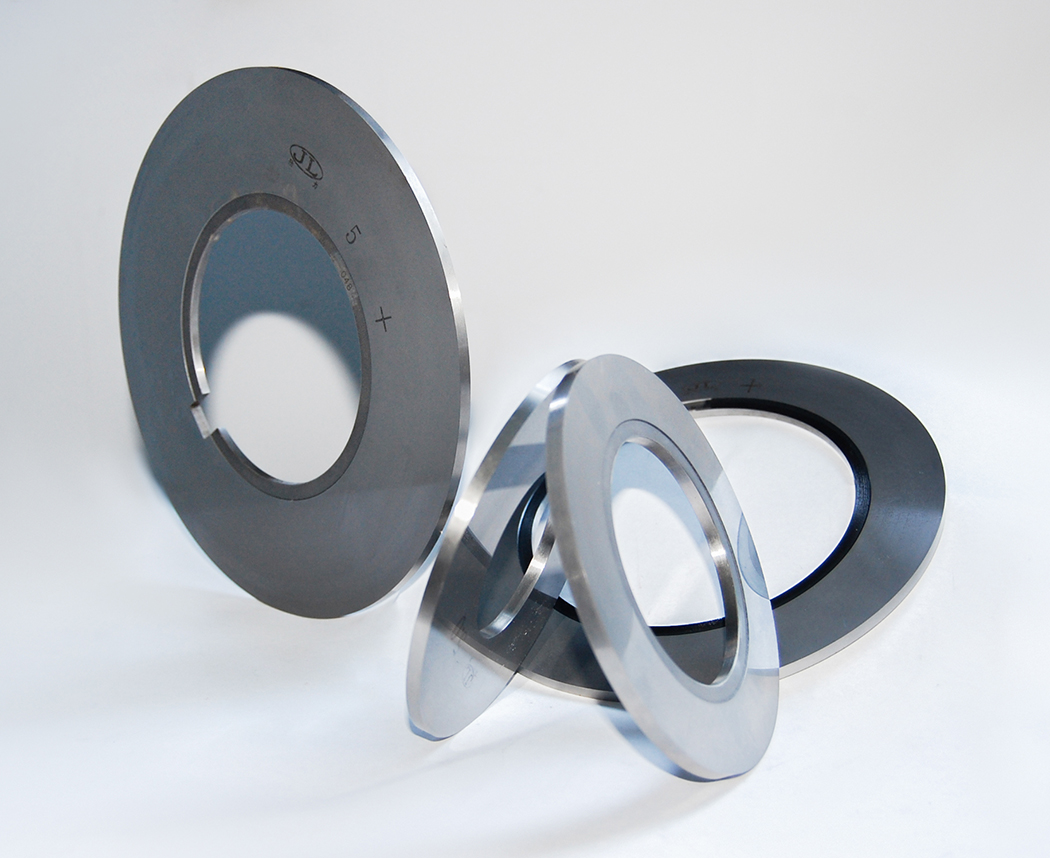
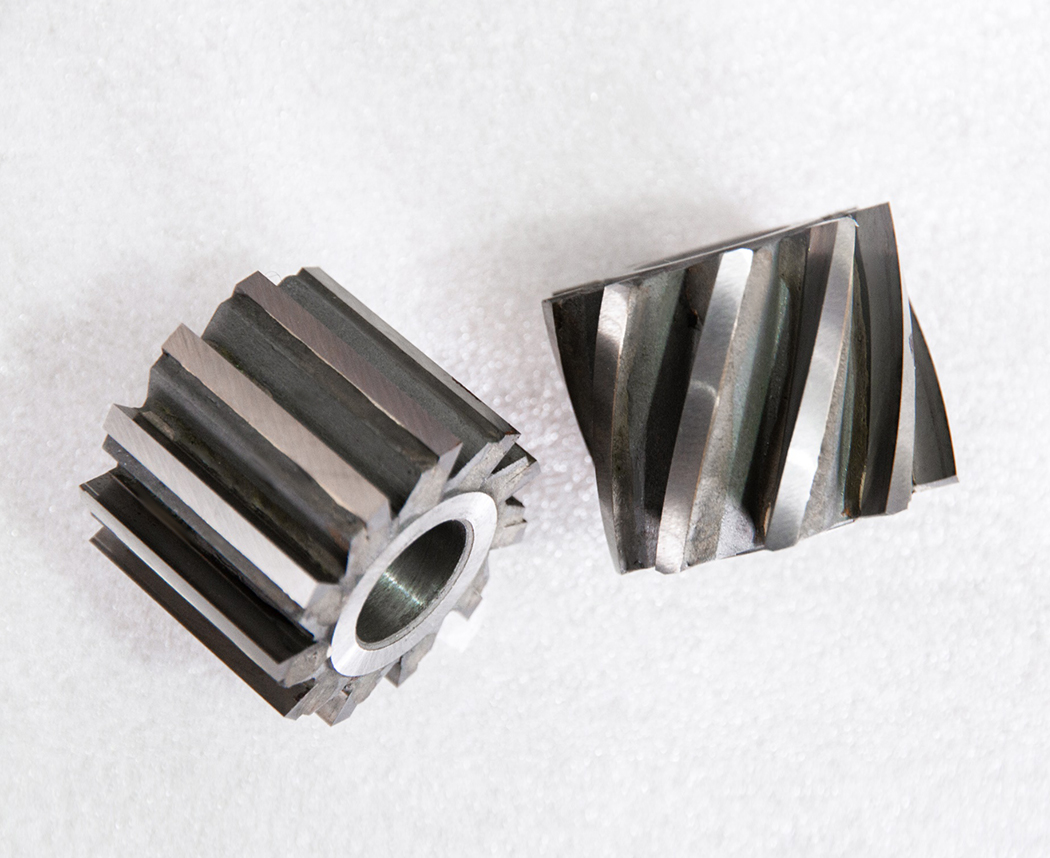
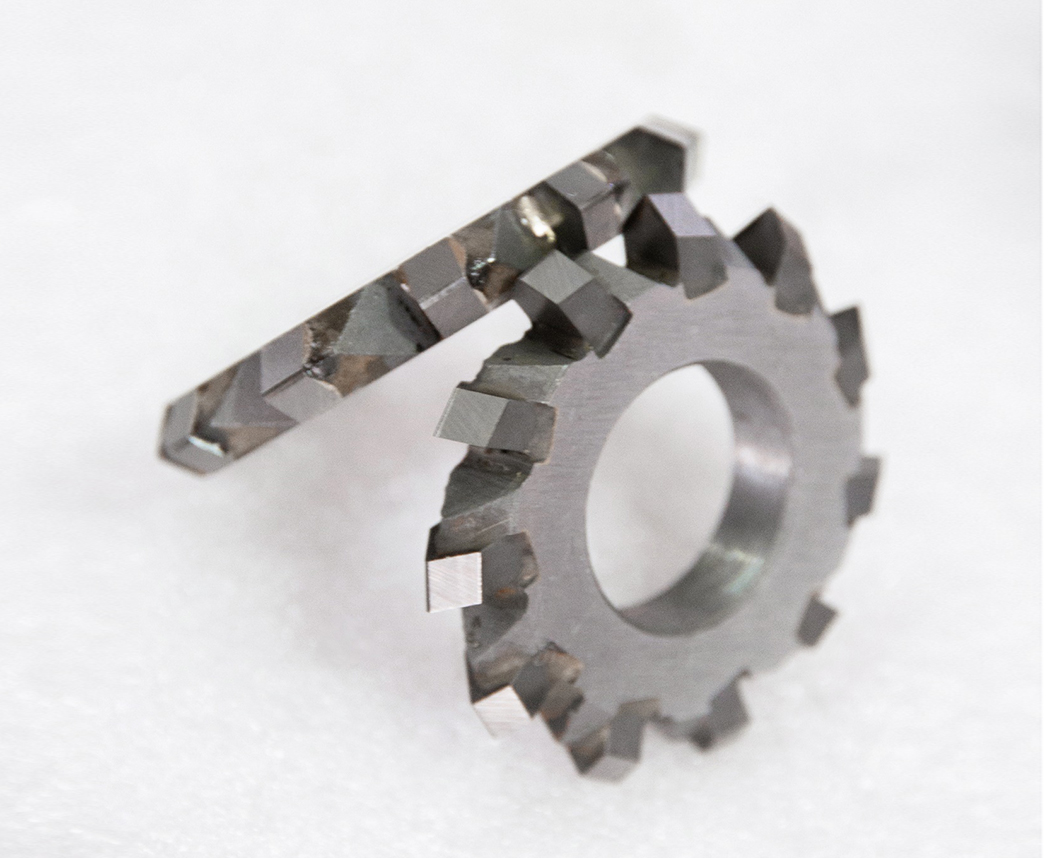
Recommending Products
Contact: Mr. Jin
Tel: 13901575780
0512-52428686
Contact: Mr. Zha
Tel: 13913639797
0512-52422071
Address: No. 59, Huyi Road, Liantang, Shanghu Town, Changshu City, Jiangsu Province.
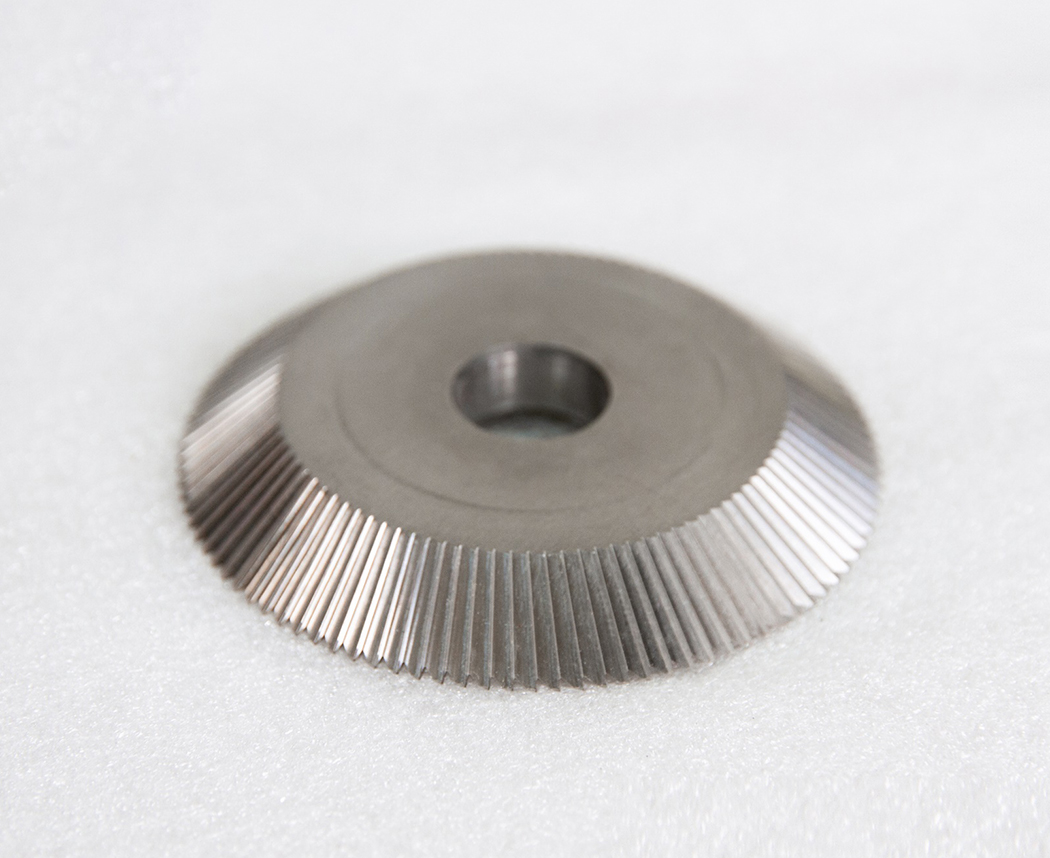
What should be noted when using high-speed steel single angle milling cutters
When using high-speed steel single angle milling cutters, attention should be paid to tool selection, installation, cutting parameter setting, machining process monitoring, and subsequent maintenance, as follows:Sources:www.dmees.cn | PublishDate:2025.02.25
1. Tool selection
Choose cutting tools based on the processing materials: Different materials have different characteristics such as hardness and toughness, and the appropriate high-speed steel single angle milling cutter should be selected according to the specific processing materials. For example, when processing alloy steel with high hardness, high-speed steel milling cutters containing high-performance elements such as cobalt should be selected to ensure the cutting performance and service life of the tool.
Select specifications according to processing requirements: Choose a single angle milling cutter with appropriate angle and size specifications based on the processing angle, depth, width, and other requirements. Ensure that the angle of the tool matches correctly with the angle required for machining to avoid machining errors.
2. Tool installation
Ensure installation accuracy: When installing the tool, it is necessary to ensure the coaxiality and perpendicularity between the tool and the machine spindle, which directly affects the cutting stability and machining accuracy of the tool. Use professional installation tools and testing equipment, such as a dial gauge, to measure and adjust correctly.
Secure and reliable installation: Install the tool firmly on the spindle of the machine tool to prevent accidents or affect machining quality due to tool loosening during the cutting process. According to the instructions for machine tools and cutting tools, use appropriate tool holders and clamping devices, and ensure that the clamping force is moderate, neither too tight causing tool deformation nor too loose causing tool loosening.
3. Cutting parameter setting
Reasonable selection of cutting speed: Cutting speed has a significant impact on the lifespan and machining efficiency of the tool. Generally speaking, the higher the hardness of the material, the lower the cutting speed should be. You can refer to the cutting parameter table provided by the tool manufacturer and adjust it according to the actual machining situation. For example, when processing carbon steel with general hardness, the cutting speed can be around 80-120m/min.
Determine the appropriate feed rate: The feed rate should be determined based on factors such as the properties of the machining material, the diameter and number of teeth of the tool, and the power of the machine tool. Excessive feed rate can easily lead to increased tool wear and even breakage; If the feed rate is too small, it will affect the processing efficiency. Usually, the feed rate per tooth is between 0.05-0.2mm.
Control cutting depth: The cutting depth should be reasonably determined based on factors such as the size, shape, and material hardness of the machined part. On the premise of ensuring machining quality and tool life, try to use a larger cutting depth to improve machining efficiency, but avoid exceeding the tool's bearing capacity.
4. Processing process monitoring
Observing cutting status: During the machining process, it is important to closely monitor the cutting status, such as the shape, color, and sound of the chips. Normal chips should be continuous and uniform in the form of strips or spirals. If there are abnormal fractures, curls, or color changes in the chips, it may be due to tool wear, unreasonable cutting parameters, or problems with the machining material. The machine should be stopped for inspection in a timely manner.
Pay attention to the operation of the machine tool: pay attention to the sound and vibration of the machine tool, as well as the readings of various instruments. If there is abnormal vibration or noise in the machine tool, it may be due to poor contact between the tool and the workpiece, tool imbalance, or a fault in the machine tool itself. Processing should be stopped immediately, the cause should be investigated, and the fault should be eliminated.
Preventing tool overheating: During high-speed cutting, the tool is prone to generating a large amount of heat, leading to increased tool wear. Suitable cooling methods can be used, such as using cutting fluid for cooling, to reduce tool temperature and extend tool life. At the same time, attention should be paid to the concentration and flow rate of the cutting fluid to ensure the cooling effect.
5. Tool maintenance
Timely cleaning of tools: After machining, chips and debris on the tools should be cleaned in a timely manner to avoid residual chips corroding the tools. Use specialized tools such as brushes, compressed air, etc. to clean the tool and ensure that the tool surface is clean and tidy.
Regularly check the wear of cutting tools: Regularly inspect the cutting tools, measure the wear amount of the tools, and when the tool wear exceeds the specified value, it should be sharpened or replaced in a timely manner. When grinding tools, professional grinding equipment and processes should be used to ensure the quality of tool grinding.
Proper storage of tools: Store tools in a dry and ventilated place to avoid rusting. Rust proof oil or rust inhibitor can be used to treat the cutting tools, and the tools should be classified and stored to avoid damage caused by collision.